Breakthrough in Clean Energy and Waste Management
In a major scientific advance, researchers have developed a method to transform plastic waste into clean hydrogen fuel using only sunlight. The process, still in early stages, offers a dual solution to plastic pollution and the global demand for sustainable energy.
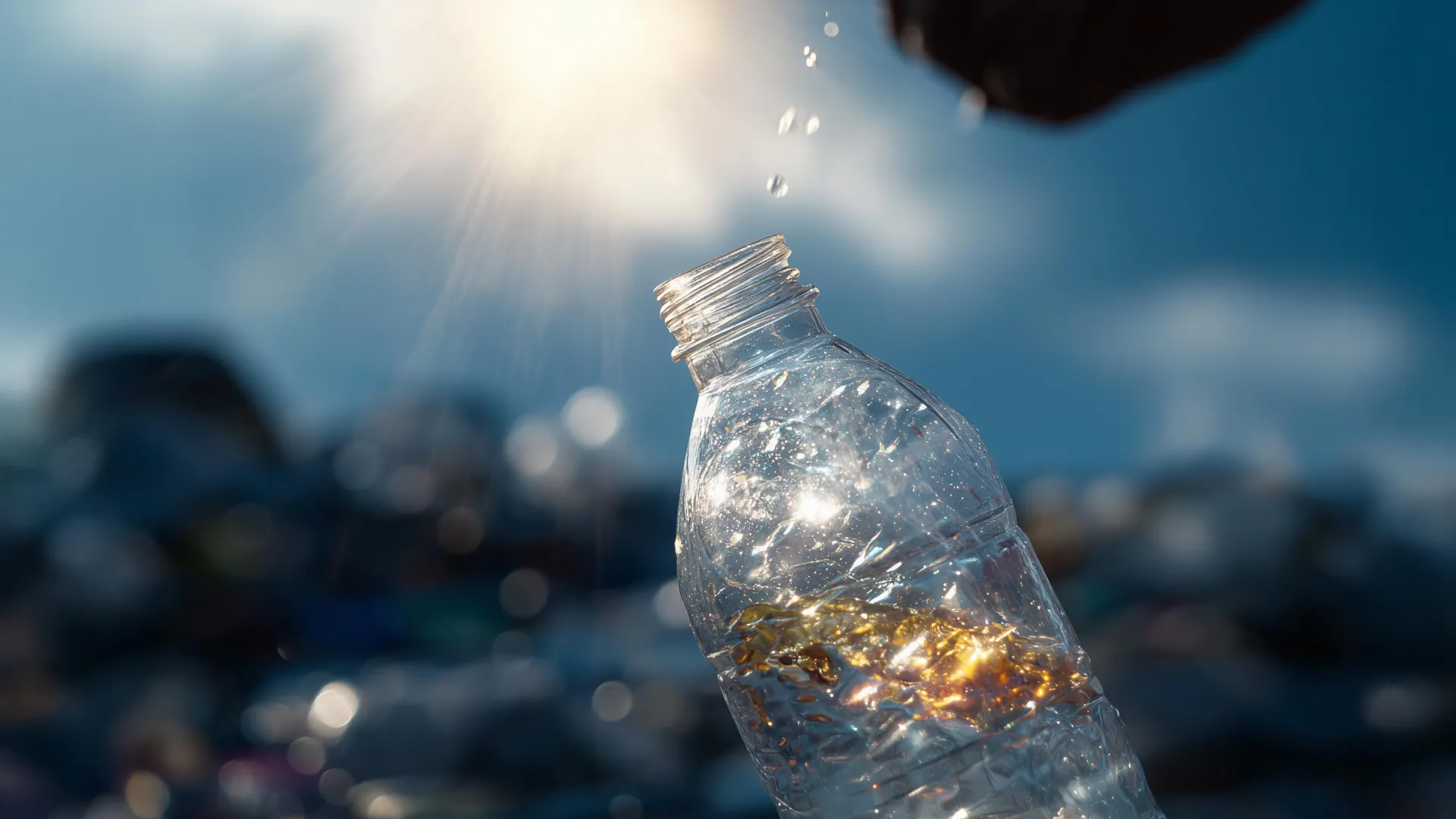
"This could revolutionize how we think about waste," said Dr. Elena Martinez, lead scientist at the Renewable Energy Institute. "Plastic is no longer just a pollutant—it's a resource for low-carbon fuel."
Background
Plastic waste accumulates in landfills and oceans, taking centuries to decompose. Meanwhile, hydrogen fuel burns cleanly, producing only water vapor, but its production often relies on fossil fuels.
Existing methods to convert plastic into hydrogen require high temperatures and energy inputs. The new sunlight-driven approach, called photocatalytic reforming, uses a special catalyst to break down plastic polymers at room temperature, releasing hydrogen gas.
What This Means
If scaled up, this technology could turn the 300 million tons of plastic waste generated annually into a valuable energy source. It also addresses the storage challenge of hydrogen, as plastic is a stable, energy-dense carrier.
"We're looking at a circular economy where waste becomes fuel," commented Dr. James Okonkwo, an energy policy analyst at Global Clean Tech. "This reduces both pollution and dependence on fossil fuels."
However, challenges remain. The catalyst efficiency needs improvement, and plastic waste must be sorted by type for the process to work optimally. Pilot projects are planned within two years.
Immediate Impact: For now, the discovery validates that renewable energy can drive waste valorization. Governments may accelerate investments in solar-powered waste-to-fuel facilities.
"This is not a silver bullet, but it's a critical step forward," added Dr. Martinez. "We are actively working on scaling the reaction."
The research was published today in Nature Sustainability, prompting excitement among environmental groups and energy companies alike.