The Star of the South, Australia's most advanced offshore wind project, has officially opened its environmental assessments for public review and comment. After five years of research, consultation, and technical studies, this milestone brings the nation closer to its first offshore wind farm. Below, we answer key questions about the project, its significance, and what lies ahead.
What is the Star of the South offshore wind project?
The Star of the South is a proposed offshore wind farm located off the coast of Gippsland in Victoria, Australia. It aims to generate up to 2.2 gigawatts of renewable energy, enough to power around 1.2 million homes. Developed by an Australian consortium, the project leverages strong offshore winds to produce clean electricity. It is currently the most advanced offshore wind proposal in the country, having undergone extensive studies and community engagement since its inception in 2018.
Why is this project considered Australia's most advanced offshore wind proposal?
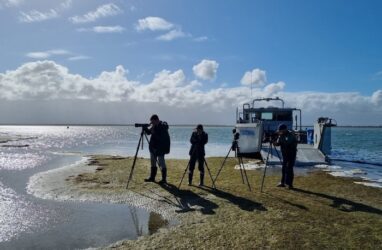
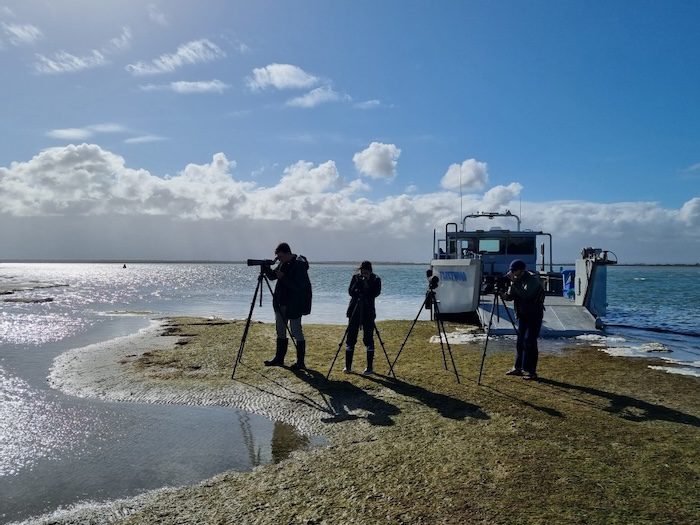
Star of the South has invested five years in comprehensive research, environmental studies, and community consultation before submitting its environmental assessment. It has completed geotechnical surveys, wind resource analysis, and marine biodiversity studies. The project also secured feasibility licenses from the federal government and engaged with local communities, fishing industries, and Indigenous groups. This rigorous preparatory work makes it the frontrunner among Australia's offshore wind projects, far ahead of others still in early planning stages.
What were the key steps taken in the five years leading up to the environmental assessment submission?
Over five years, the project team conducted extensive research and consultation. Steps included site selection and wind monitoring, geotechnical and geophysical surveys to assess seabed conditions, environmental impact studies covering marine life and bird migration, and grid connection planning. The team held over 100 community engagement events, established a community fund, and worked with traditional owners. These efforts ensured that the environmental assessment was built on a foundation of robust data and stakeholder input.
How does the public review process work for this project?
The environmental assessment document is now available for public review and comment. The process, managed by the federal Department of Climate Change, Energy, the Environment and Water, allows individuals and organisations to submit feedback on potential environmental impacts and proposed mitigation measures. The public comment period typically lasts several weeks. After the deadline, the department reviews all submissions, may request additional information from the project team, and then decides whether to approve the project under environmental laws.
What environmental approvals are needed for Australia's first offshore wind farm?
To proceed, Star of the South requires approval under the Environment Protection and Biodiversity Conservation Act 1999 (EPBC Act). The assessment must demonstrate that the project avoids or minimises impacts on protected species, marine habitats, and heritage sites. Additionally, state-level approvals are needed for coastal infrastructure and grid connection. The project also needs a marine licence and compliance with offshore renewable energy regulations. This layered approval process ensures rigorous environmental oversight.
Where will the Star of the South wind farm be located and what is its expected capacity?
The wind farm will be built in Bass Strait, approximately 10 to 25 kilometres off the coast of Victoria near the town of Port Albert. With a planned capacity of 2.2 gigawatts, it will include up to 200 turbines. The project's location was chosen for its strong, consistent winds and proximity to existing transmission infrastructure. Once operational, it could supply about 5% of Victoria's electricity demand and significantly reduce greenhouse gas emissions.
What are the next milestones after the environmental assessment public comment period?
After the public comment period closes, the federal environment department will evaluate submissions and issue a decision on environmental approval. If granted, the project will then finalise its financial arrangements, enter construction planning, and secure additional state permits. Construction could begin as early as 2028, with first power generation expected by 2030. The project also needs to finalise its transmission connection agreement with the Australian Energy Market Operator (AEMO). Success here would pave the way for Australia's offshore wind industry.