Breaking: ABC Resists Trump's Demand to Fire Kimmel
President Donald Trump's demand that ABC fire late-night host Jimmy Kimmel over a morbid joke has met with unexpected defiance from the network's parent company, Disney. A senior White House official confirmed Trump called for Kimmel's dismissal after the host described Melania Trump as having "the glow of an expectant widow" days before the White House Correspondents' Dinner.
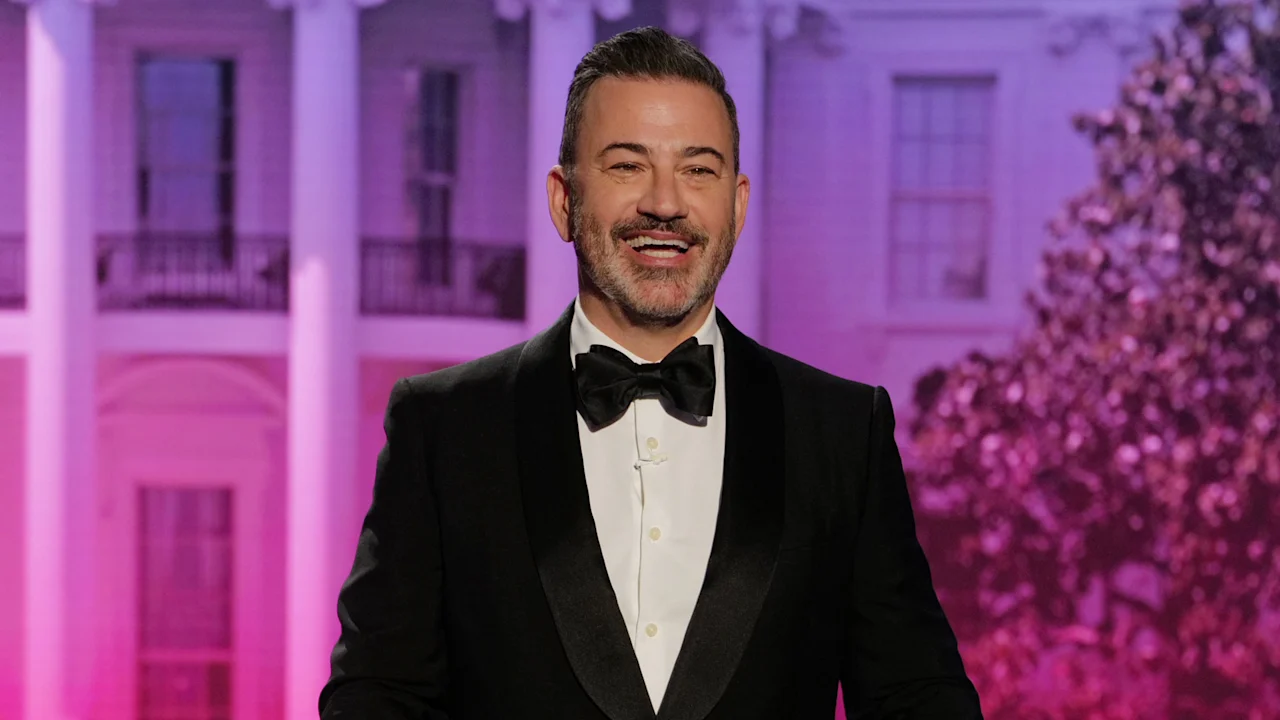
Unlike last September, when ABC swiftly yanked Kimmel off the air following an FCC complaint, Disney has only indicated the incident is under discussion. "The conditions for pulling Kimmel are simply no longer there," said media analyst Lisa Chen of the Center for Press Freedom. "Disney has internalized a key lesson: Trump's grievances are so fickle that ignoring them is often easier than capitulating."
The president emerged from the chaos of the WHCD shooting attempt with two demands: resume construction on his militarized ballroom and fire Kimmel. While the first faces court battles, the second appears dead on arrival. ABC has not commented publicly, but sources say executives are standing firm.
Background: From Surrender to Resistance
When Trump returned to the White House in 2025 after an unexpected electoral victory, corporate America rushed to appease him. Amazon and Meta made aggressive DEI cuts, donated to his inauguration fund, and—in Amazon's case—spent $40 million on a documentary about Melania Trump. Law firms and universities faced executive orders stripping security clearances and funding over past legal battles.
In December 2024, ABC settled a defamation lawsuit from Trump for $15 million after George Stephanopoulos inaccurately claimed the president was found liable for rape. The actual finding was for sexual abuse and defamation. "In another era, ABC would have fought that in court," said former FCC attorney Mark Torres. "But the intimidation was real."
CBS and its parent company Paramount followed with a $16 million settlement over a 60 Minutes edit and canceled Stephen Colbert's talk show—conveniently while awaiting FCC approval for an $8 billion merger. The message was clear: Trump's leverage was absolute.
What This Means: A New Normal in Trump's Influence
Now, that leverage appears to be cracking. "The wave of capitulation has crested," said Chen. "Executives see that Trump's retaliation is inconsistent. He moves from target to target, and yesterday's grievance is forgotten tomorrow." Indeed, ABC's refusal to fire Kimmel marks a stark contrast to earlier surrenders.
The shift extends beyond entertainment. Law firms like Paul, Weiss—once targeted by executive orders for representing Democrats and January 6 defendants—have resumed normal operations without further retaliation. "Trump's bark is still loud, but his bite is getting weaker," commented political strategist Maria Gonzalez. "Organizations are calculating that standing up to him costs less than constantly bending."
This new calculus could reshape the political landscape. If more companies and institutions resist, Trump's ability to intimidate shrinks. But the president is unlikely to back down. "He'll find new targets," Torres warns. "The question is whether anyone will flinch." For now, ABC hasn't flinched—and neither have many others.